Alcohols or Masked Alcohols as Directing Groups for C–H Bond Functionalization
中文 / Bilingual · English version
Highlight Review
Alcohols or Masked Alcohols as Directing Groups for C-H Bond Functionalization
Fanyang Mo, John R. Tabor, and Guangbin Dong* Department of Chemistry, University of Texas at Austin, Austin, TX 78712, USA
()
()
Prof. Guangbin Dong received his B.S. degree from Peking University and completed his Ph.D. degree in chemistry from Stanford University with Professor Barry M. Trost, where he was a Larry Yung Stanford Graduate fellow. In 2009, He began to research with Prof. Robert H. Grubbs at California Institute of Technology, as a Camille and Henry Dreyfus Environmental Chemistry Fellow. In 2011, he joined the department of chemistry and biochemistry at the University of Texas at Austin as an assistant professor and a CPRIT Scholar. His research interests lie at the development of powerful chemical tools for addressing questions of biological importance.
Dr. Fanyang Mo obtained his master degree in applied chemistry in 2006 at Beijing Institute of Technology under the supervision of Professor Zhiming Zhou, and then obtained his doctoral degree in organic chemistry in 2010 at Peking University under the supervision of Professor Jianbo Wang. After spending 10 months at The Scripps Research Institute under the supervision of Professor Qinghai Zhang, he joined Professor Guangbin Dong’s group at The University of Texas at Austin in 2011. Now his research interest is catalytic ketone C-H bond functionalization.
John Tabor is currently a senior in the undergraduate chemistry department at The University of Texas. He has been working in the Dong Lab since summer of 2013 and will receive his bachelors degree in the spring of 2014. He expects to enter graduate school for organic chemistry in the fall of 2014.
Abstract
This highlight review describes the recent progress in alcohol or masked alcohol-directed C-H functionalization, which enables rapid access to a large array of complex structures. Given the ubiquity of the hydroxy group in organic chemistry, these types of transformations may have significant impacts on synthetic strategy design.
Introduction
The strategy of using coordinating and tethering moieties as directing groups (DGs) has been instrumental in enabling various $\mathrm{C} - \mathrm{H}$ activation-functionalization over the past several decades. ${}^{1}$ While the DGs are largely dominated by the nitrogen-based functional groups, ${}^{{1a},{1e},{1g}}$ including pyridines, oxazolines, amides, acetanilides, nitriles, etc., the oxygen-based DGs, however, are much less common. This is likely due to the “hard” nature of oxygen and weak coordination ability toward transition metals. ${}^{2}$ In this mini-review, we aim to highlight the recent progress in the field of $\mathrm{C} - \mathrm{H}$ functionalization that is directed by alcohols or masked alcohols.
Alcohols ${}^{3}$ are one of the most important and ubiquitous functional groups found in a diverse array of molecules ranging from small organic feedstocks to natural products and materials. ${}^{4}$ In addition, it is well established that alcohols can be reversibly transformed into many other functional groups, including alkenes, haloalkanes, aldehydes, ketones, carboxylic acids, and esters. ${}^{5}$ Often, hydroxy groups play a central role in intercon-verting organic compounds and synthetic strategy design. Thus, the development of alcohol- or masked alcohol-directed chemo and stereoselective C-H functionalization is of significant interest because it holds great potential to streamline complex molecule synthesis.
Based on different modes of reactivity, this review is divided into four sections: electrophilic metalation, oxidative addition, metal-carbene and -nitrene insertion, and radical processes.
Electrophilic Metalation
It is well known that some transition metals with higher oxidation states, such as Pd, Ru, and Rh, are capable of triggering electrophilic C-H metalation to form metal-carbon bonds, through which a variety of transformations have been achieved. ${}^{6}$ The site-selectivity of these $\mathrm{C} - \mathrm{H}$ functionalization methods can be controlled by employing alcohols and masked alcohols as DGs.
(i) Activation of Aryl C-H Bonds. In 2010, Yu and co-workers disclosed a Pd(II)-catalyzed aromatic ortho-C-H olefination using spatially remote unprotected alcohols as the directing groups. ${}^{7}$ Their initial attempts to perform C-H palladation with a fully depronated alcohol (via a [Pd ${}^{\mathrm{{II}}}$ -OR] species) turned out to be unfruitful. However, they then envisioned that a different coordination mode with a neutral alcohol could be more effective (Scheme 1). ${}^{8}$ Indeed, they found the combination of ${\mathrm{C}}_{6}{\mathrm{\;F}}_{6}$ as solvent, ${\mathrm{{Li}}}_{2}{\mathrm{{CO}}}_{3}$ as a base, and AgOAc as an oxidant was promising, but the yield of olefinated product 3 was low (22%). Later, they discovered mono-N-protected amino acid ligands substantially influenced the reaction and $\left( +\right)$ -menthyl $\left( {{\mathrm{O}}_{2}\mathrm{C}}\right)$ -Leu-OH was most effective, providing benzopyran 4 in ${88}\%$ yield with an increased amount of AgOAc. The benzopyran product comes from the initial C-H olefination product 3 that undergoes an intramolecular Pd(II)- catalyzed oxidative cyclization. The substrate scope was expanded to arenes bearing various functional groups, such as methyl, methoxy groups, and halogens (Scheme 2). A number of other electron-deficient olefins were also compatible. Mechanistically, an anti-addition mode was concluded for the oxidative cyclization step after C-H olefination.
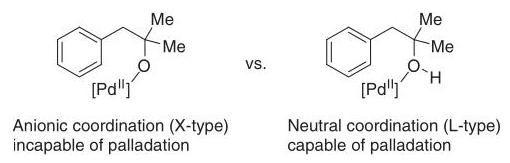
Scheme 1. Two coordination modes.
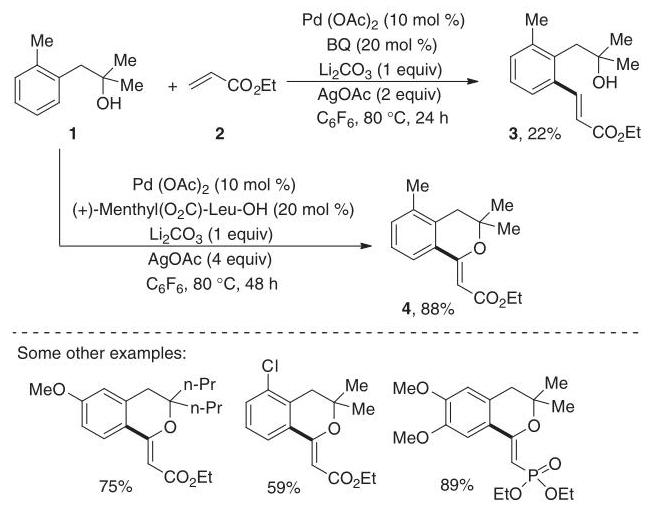
Scheme 2. Pd-Catalyzed hydroxy-directed olefination.
When using simple olefins, such as styrenes and aliphatic alkenes, the reaction only gave the olefinated products without further cyclization, presumably because the oxidative 1,4- addition is less facile when the olefin is less electrophilic. Thus, only 2 equiv of AgOAc was needed in these cases. Primary and secondary alcohol substrates were also effective, albeit giving lower yields due to their lability under the reaction conditions (Scheme 3).
In subsequent work, Yu and co-workers reported a dihy-drobenzofuran synthesis through a Pd(II)-catalyzed intramolecular oxidative C-O bond formation reaction, which was directed by a proximate hydroxy group. ${}^{9}$ A number of oxidants were examined, and $\mathrm{{PhI}}{\left( \mathrm{{OAc}}\right) }_{2}$ gave the best result. A variety of tertiary alcohols were cyclized to give the corresponding dihydrobenzofurans in good to excellent yields. The reaction tolerated both electron-donating and -withdrawing groups on the aryl rings. Secondary alcohols were also tested but gave lower yields because of the competitive substrate decomposition under the reaction conditions. This methodology can also be applied in spirocyclic dihydrobenzofuran syntheses (Scheme 4).
A plausible catalytic cycle appears to involve electrophilic $\mathrm{C} - \mathrm{H}$ palladation followed by oxidation of the $\mathrm{{Pd}}\left( \mathrm{{II}}\right)$ species to a
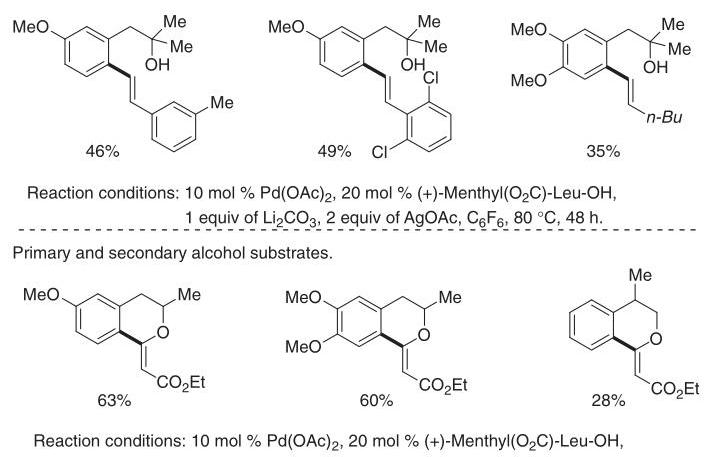
Scheme 3. Reactions with regular olefins, and primary and secondary alcohol-directed reactions. higher oxidation state, from which reductive elimination takes place to form the C-O bond (Scheme 5).
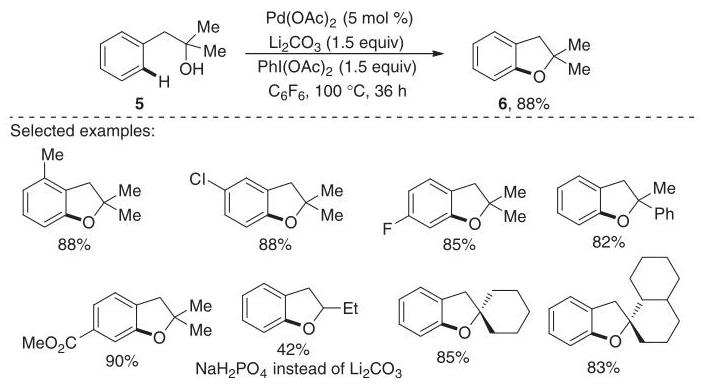
Scheme 4. Pd-Catalyzed hydroxy-directed C-O cyclization.
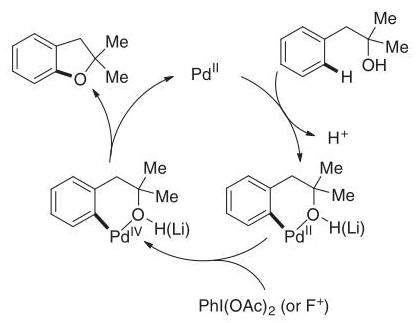
Scheme 5. Proposed catalytic cycle for the Pd-catalyzed hydroxy-directed C-O cyclization.
(ii) Activation of Allylic C-H Bonds. In 2007 and 2009, the White group reported palladium(II)-sulfoxide-catalyzed intramolecular allylic C-H aminations for the preparation of syn-1,2- and -1,3-amino alcohol motifs, respectively. ${}^{10}$ The homoallylic and bishomoallylic oxygen substituents were masked as carbamates, which also serve as nitrogen nucleophiles to facilitate 1,2 or 1,3 C-H amination (Scheme 6). In these reactions, phenylbenzoquinone (PhBQ) performed better than benzoquinone (BQ) as an oxidant, and bissulfoxide (BisSO) was the optimal ligand. White and co-workers further utilized this methodology on β-lactam-containing substrates to generate pharmacologically interesting oxazolidinones and oxazina-nones. ${}^{11}$
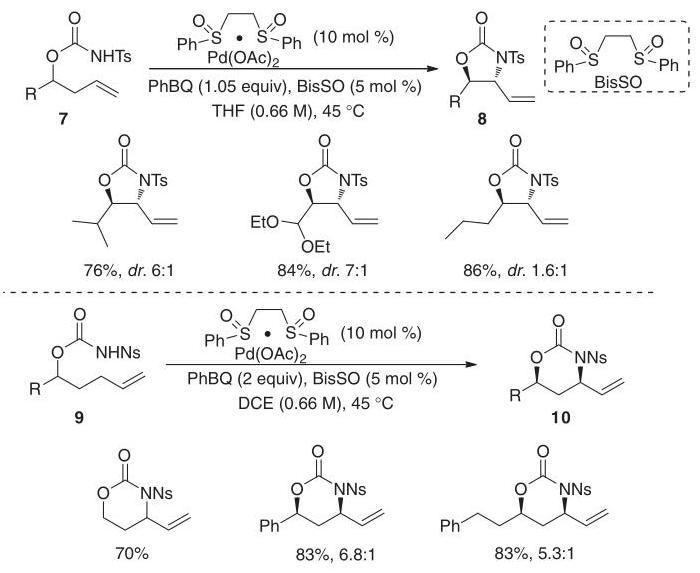
Scheme 6. Pd-Catalyzed intramolecular C-H allylic amination.
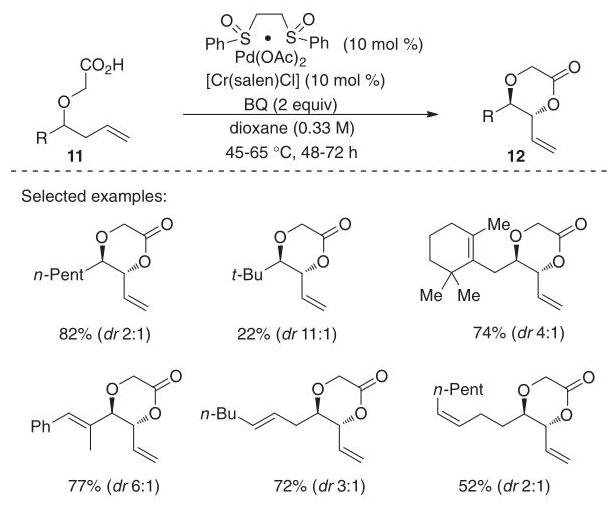
Scheme 7. Pd-Catalyzed intramolecular C-H oxidation.
The same group also disclosed a palladium(II)-sulfoxide-catalyzed intramolecular allylic C-H oxidation to form anti-1,4- dioxan-2-ones from homoallylic oxygenates. ${}^{12}$ While homoal-lylic alcohol derivatives were not suitable for the intermolecular allylic $\mathrm{C} - \mathrm{H}$ oxidation, ${}^{13}$ by being tethered with a carboxylic acid substrates 11 can undergo the desired allylic $\mathrm{C} - \mathrm{O}$ bond formation (Scheme 7). It was found that the steric factor of the substrates affected the reactivity and selectivity of the reaction, as the substrates bearing a bulky substituent gave poorer yields but excellent diastereoselectivity (trans products). This intramolecular allylic C-H oxidation reaction gave complete chemo-selectivity for the terminal olefin over tetra-, tri-, and disubstituted olefins. A few synthetic applications were also achieved, including polyhydroxy motifs and densely functionalized pyrans.
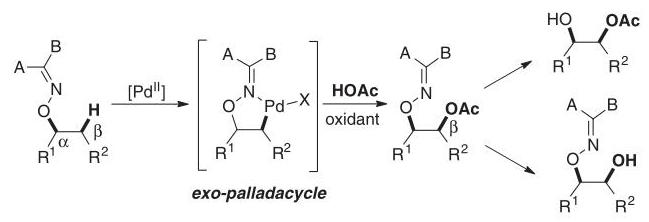
Scheme 8. The exo-palladation strategy for 1,2-diols.
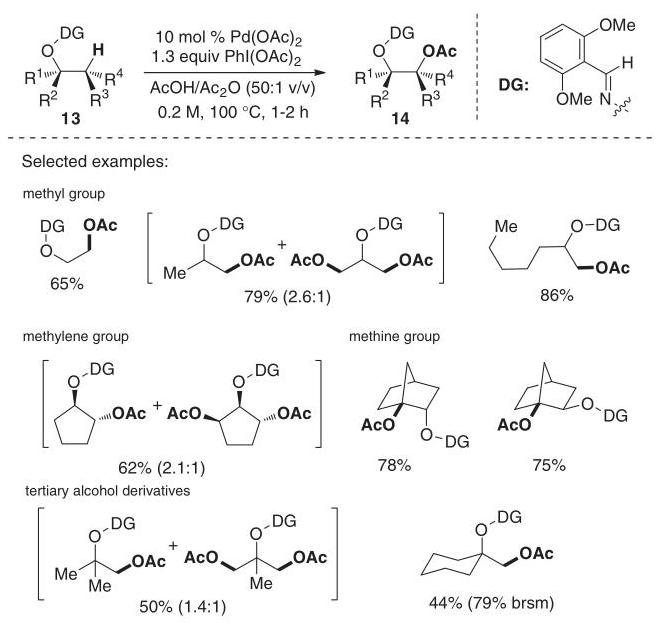
Scheme 9. Pd-Catalyzed oxime-directed C-H oxidation.
(iii) Activation of Aliphatic C-H Bonds. Compared with aromatic and allylic C-H bonds, aliphatic C-H bonds are known to be more challenging to activate. ${}^{{1c},{14}}$ Our group has been interested in synthesizing 1,2-diols from monoalcohols or masked alcohols via a catalytic activation of unactivated ${\mathrm{{sp}}}^{3}\mathrm{C} - \mathrm{H}$ bonds. ${}^{15}$ We envisioned that a five-membered exo-palladacycle would be generated via metalation of the $\beta - \mathrm{C} - \mathrm{H}$ bond, and subsequent oxidation should lead to the desired 1,2-diol motif (Scheme 8). A well-designed oxime was utilized as both an alcohol surrogate and a DG for this transformation.
This reaction worked smoothly with the substrates derived from primary, secondary, and tertiary alcohols affording the corresponding vicinal diols in good yields (Scheme 9). In general, the secondary alcohol-derived substrates have higher reactivity than the tertiary ones. Selective oxidation of the methyl vs. methylene $\mathrm{C} - \mathrm{H}$ bonds is observed; nevertheless, in the absence of methyl groups at the $\beta$ -positions, the $\mathrm{C} - \mathrm{H}$ activation can also happen with methylene groups. It was unexpected to observe that for both the endo- and exo-norborneol-derived substrates the $\mathrm{C} - \mathrm{H}$ functionalization occurred exclusively at the methine tertiary $\mathrm{C} - \mathrm{H}$ bonds, which is likely due to the fact that the bridgehead position is less hindered but more electron-rich thus favoring electrophilic metalation.
Interestingly, when menthol-derived oxime 15 was used as the substrate, an unusual C-H activation-triggered skeleton rearrangement was discovered leading to a five-membered ring product with 1,3-diol moieties though the exact mechanism is unclear (Scheme 10).
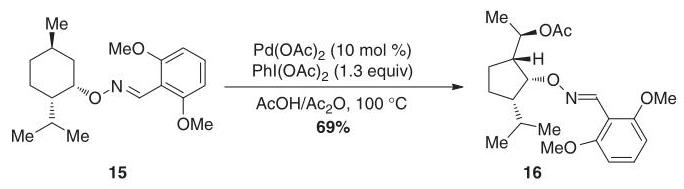
Scheme 10. An unusual oxidative rearrangement.

Scheme 11. Orthogonal protecting groups.

Scheme 12. Ir-Catalyzed formal hydroxy-directed C-H func-tionalization.
The diol moieties in these products are chemically differentiated. By using orthogonal reaction conditions, the DG (oxime) and the acetate can be selectively converted to the corresponding alcohols in excellent yields (Scheme 11).
Oxidative Addition
Oxidative addition of transition metals into $\mathrm{C} - \mathrm{H}$ bonds is another common mode of activation for $\mathrm{C} - \mathrm{H}$ functionalization; $\mathrm{{Rh}}\left( \mathrm{I}\right) ,\mathrm{{Ru}}\left( 0\right)$ , and $\mathrm{{Ir}}\left( \mathrm{I}\right)$ are often employed as catalysts for these transformations. ${}^{6}$ Hartwig and co-workers have made significant contributions to this field. They took advantage of two Ir-catalyzed tandem processes, namely O-H silylation (from alcohols) or hydrosilylation (from ketones and aldehydes) and proximate C-H silylation enabling the formal hydroxy-directed C-H functionalization (Scheme 12).
This strategy was first demonstrated in the aromatic ortho-C-H functionalization (Scheme 13). ${}^{16}$ Both benzyl alcohols and aromatic ketones and aldehydes are suitable substrates for this transformation. A (hydrido)silyl ether was generated as an intermediate through the Ir-catalyzed O-H silylation of the alcohols or hydrosilylation of the carbonyl compounds. Switching to a slightly different Ir catalyst, the silyl ether intermediate then underwent a dehydrogenative cyclization at ${80} - {100}{}^{ \circ }\mathrm{C}$ with norbornene (nbe) as a hydrogen acceptor providing benzoxa-siloles in good yields.
The reaction tolerated a broad scope of functional groups, including alkyl, halogen, boronate, silyl ether, and amine, except those sensitive to silane-mediated reductions, such as the nitro group. Notably, this ortho-silylation exhibited high regioselec-tivity for unsymmetrical substrates bearing a meta-substituent. Further functionalization-derivatization of the benzoxasilole products was demonstrated through a Tamao-Fleming oxidation ${}^{17}$ and a Hiyama cross-coupling reaction, ${}^{18}$ in which the C-Si bond can be transformed into new C-O and C-C bonds respectively (Scheme 14).
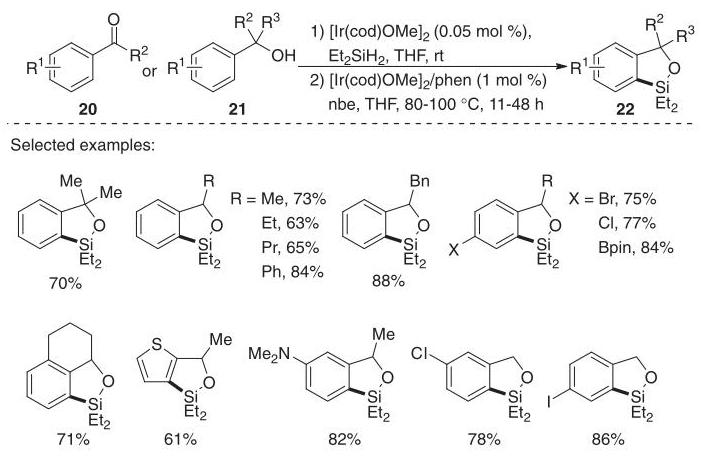
Scheme 13. Ir-Catalyzed intramolecular C-H silylation.
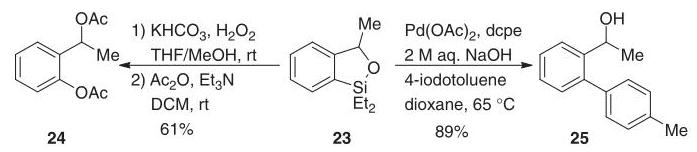
Scheme 14. Functionalization-derivatization of benzoxasi-loles.
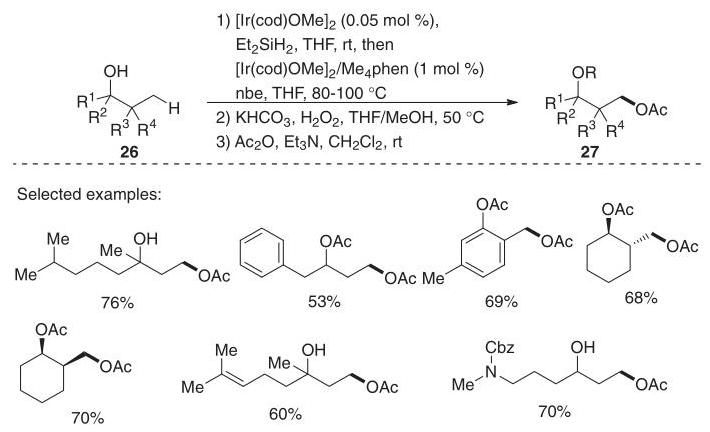
Scheme 15. Ir-Catalyzed formal hydroxy-direct ${\mathrm{{sp}}}^{3}\mathrm{C} - \mathrm{H}$ activation.
In 2012, Hartwig and co-workers further expanded the reaction scope to aliphatic primary C-H bonds. ${}^{19}$ They found the ligands play a critical role in the catalyst reactivity. While 1,10- phenanthroline, an efficient ligand for the aromatic substrates, ${}^{16}$ only gave moderate reactivity for aliphatic cases, the more electron-rich 3,4,7,8-tetramethyl-1,10-phenanthroline $\left( {{\mathrm{{Me}}}_{4}\text{ phen }}\right)$ was found superior (Scheme 15). The reaction exhibited a broad substrate scope and many functional groups were tolerated under the standard reaction conditions, including halogens, silyl ethers, benzyl groups, acetals, and carboxylic esters. While some carbonyl moieties, such as methyl esters, ketones, and carba-mates were not compatible with the Ir-catalyzed hydrosilylation reaction, the use of a ruthenium catalyst $\left\lbrack {\mathrm{{Ru}}{\left( {\mathrm{{PPh}}}_{3}\right) }_{2}{\mathrm{{Cl}}}_{2}}\right\rbrack$ instead for the hydrosilylation circumvented this problem. ${}^{20}$ Moreover, these carbonyl functional groups were compatible with the C-H silylation and subsequent Tamao-Fleming oxidation. The complete site-selectivity can be attributed to the powerful directing ability of the (hydrido)silyl group.
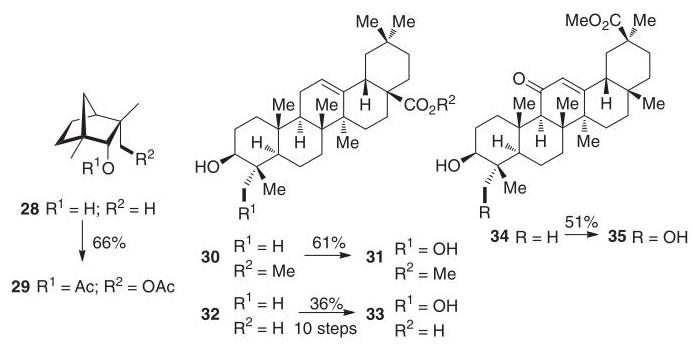
Scheme 16. Directed aliphatic C-H functionalization of natural products.
In addition, this methodology has also been demonstrated in functionalization of complex natural products. For example, 1,3- diol moiety can be efficiently installed from monoalcohols in three steps without the need to purify any intermediates in spite of the complexity of these substrates (Scheme 16). ${}^{21}$
Metal-Carbene and -Nitrene Insertion
Metal-mediated carbene or -nitrene insertions into saturated $\mathrm{C} - \mathrm{H}$ bonds are another powerful approach for $\mathrm{C} - \mathrm{H}$ function-alization. ${}^{22}$ Intramolecular metal-carbenoid insertion into $\mathrm{C} - \mathrm{H}$ bonds generally gives five- or six-membered ring products. ${}^{23}$ When the carbene or nitrene precursors are tethered with alcohols, useful synthetic building blocks can be efficiently constructed. For example, Doyle and co-workers reported chiral rhodium(II) carboxamidate-catalyzed intramolecular C-H insertion reactions with enantiomerically pure 2-substituted cyclohexyl diazoacetate 36, which were derivatized from an alcohol (Scheme 17). ${}^{24}$ By using different chiral catalysts (a matched vs. mismatched situation), excellent site-selectivity was achieved with complete diastereocontrol. They further expanded the substrate scope to steroidal diazoacetates 39, in which the five-membered ring product 40 is predominantly formed over the four-membered ring $\beta$ -lactone product by using the chiral $\left\lbrack {{\mathrm{{Rh}}}_{2}{\left( 5R\text{ -MEPY }\right) }_{4}}\right\rbrack$ catalyst. ${}^{25}$
An efficient method of directed metal-nitrenoid insertion into aliphatic C-H bonds was reported by Du Bois and coworkers. ${}^{26}$ They first demonstrated that sulfamates can undergo a Rh-catalyzed nitrenoid insertion to give six-membered ring products, which can be viewed as a 1,3-amino alcohol equivalent (Scheme 18). ${}^{27}$ The site-selectivity for the $\gamma - \mathrm{C} - \mathrm{H}$ bond was excellent, and the authors rationalized that the strong bias for the six-membered ring formation vs. five-membered formation was due to the elongated S-O and S-N bonds and the obtuse N-S-O angle, which are quite similar with the metrical parameters of the heterocycle. Nevertheless, it is also possible to afford the five-membered ring products when obviating the six-membered ring formation pathway.
In addition, the Rh(II)-catalyzed oxidative cyclization of carbamates was successfully achieved to afford the corresponding oxazolidinones in good to excellent yields (Scheme 18). The substrates with more conformational constraint generally afforded better yields. Compared with $\left\lceil {{\mathrm{{Rh}}}_{2}{\left( \mathrm{{OAc}}\right) }_{4}}\right\rceil$ , the readily prepared triphenylacetate (tpa) complex, ${\left\lbrack {\mathrm{{Rh}}}_{2}{\left( \mathrm{{tpa}}\right) }_{4}\right\rbrack }^{28}$ was more effective due to its greater resistance under oxidative conditions.
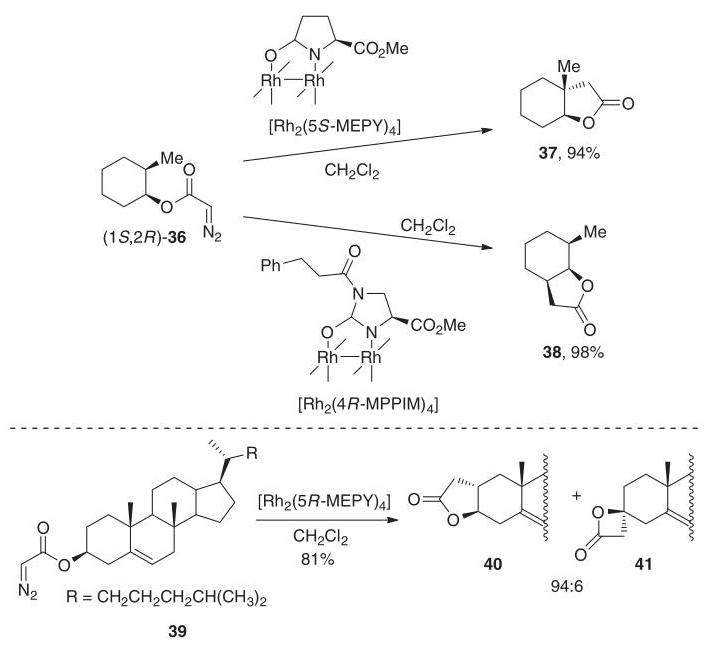
Scheme 17. Rh(II)-Catalyzed intramolecular C-H carbenoid insertion reactions.
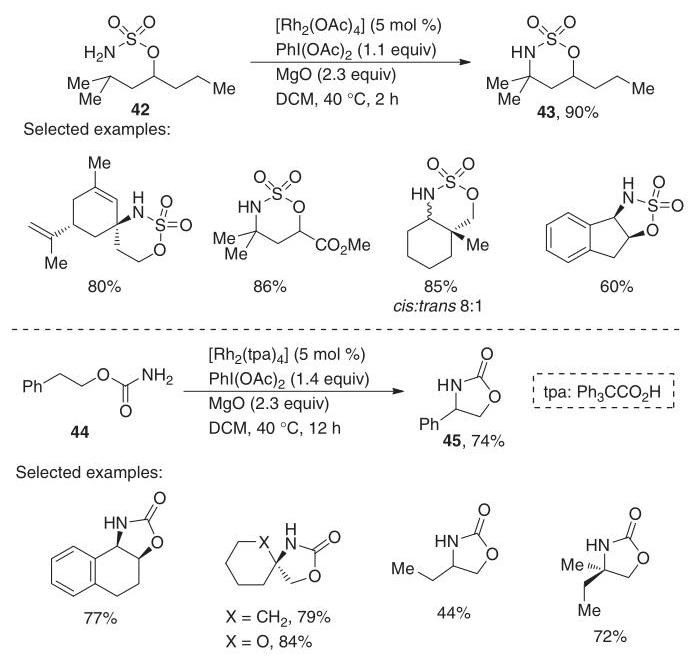
Scheme 18. Rh-Catalyzed intramolecular nitrenoid-mediated C-H aminations.
The synthetic utilities of oxathiazinanes was further explored (Scheme 19). The six-membered sulfamates can be hydrolytically opened by various nucleophiles under mild conditions (as exemplified by morpholine and acetate). They can also be converted to $\beta$ -amino acids in a stereospecific manner. Furthermore, these methodologies also found broad applications in total synthesis of complex natural products. ${}^{{22e},{29}}$
Radical Processes
As early as in 1971, Breslow and Scholl reported a selective oxidation of unactivated methylene groups by controlling the substrate-reagent orientation (Scheme 20). ${}^{30}$ An alcohol substrate was tethered with a carbon chain containing a carboxylic acid moiety, which can recognize and “grasp” the reagent via hydrogen bonding. Using this approach, selective remote dehydrogenation through radical abstractions at specific positions of the substrate was achieved.
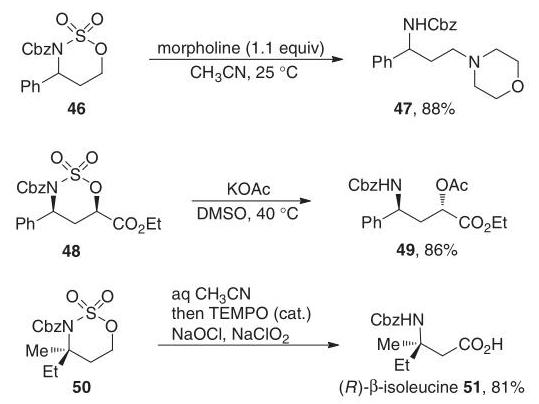
Scheme 19. Synthetic applications of oxathiazinanes.
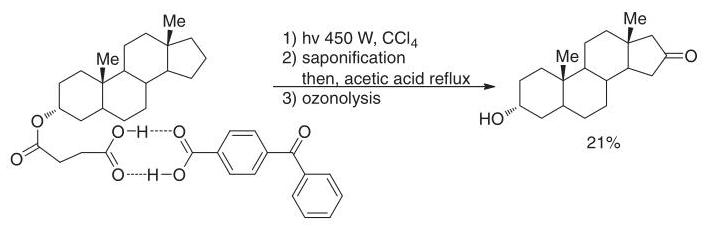
Scheme 20. Selective oxidation through substrate-reagent orientation.
In 2008, inspired by the Hofmann-Löffler-Freytag (HLF) reaction, ${}^{31}$ the Baran group disclosed an efficient five-step two-pot sequence for converting monoalcohols to 1,3-diols via radical-abstraction. ${}^{32}$ The alcohol was first transformed to a trifluoromethyl carbamate serving as both a directing group and radical precursor. After the initial C-H abstraction and atom transfer, a cyclic carbonate was produced, which can undergo further hydrolysis to give the 1,3-diol product (Scheme 21). This reaction works efficiently for benzylic and tertiary $\mathrm{C} - \mathrm{H}$ bonds. Further utilization of this method was elegantly demonstrated in a number of natural product syntheses. ${}^{33}$
In 2012, Baran and co-workers developed another guided radical protocol for alkane dehydrogenation using an $o$ -tosyl triazene $\left( {\mathrm{{Tz}}}^{0}\right)$ moiety. ${}^{34}$ This well-designed,“portable desatur-ase”-like group $\left( {\mathrm{{Tz}}}^{0}\right)$ is easy to install on alcohols and amines, and can serve as a masked aryl radical to enable remote desaturation leaving behind a synthetically useful tosyl group (Scheme 22). In general, the desaturation reaction takes place via 1,7-H-abstraction when a tertiary carbon center is at the $\gamma$ - position to the alcohol or amine. Further experimental results indicate that TEMPO plays a critical role in radical generation and carbocation intermediate formation. A plausible reaction mechanism was proposed (Scheme 23).
This methodology was successfully applied to modify a number of natural products. For example, desaturation of an eudesmane derivative 61 afforded alkene products 62 and 63 with a ratio of 2:1. When triterpene derivative 64 was subjected to these reaction conditions, diene 65 was obtained in 47% yield as the major product (Scheme 24).
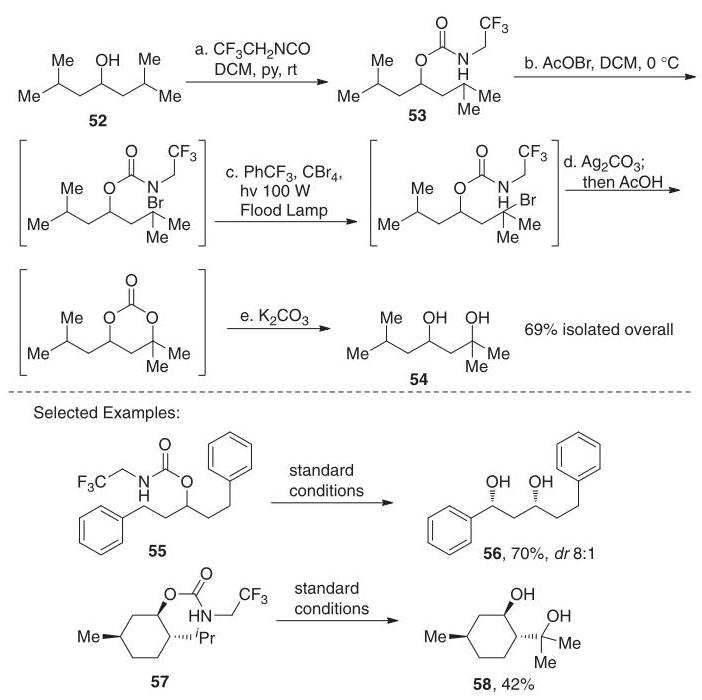
Scheme 21. Synthesis of 1,3-diols from monoalcohols.
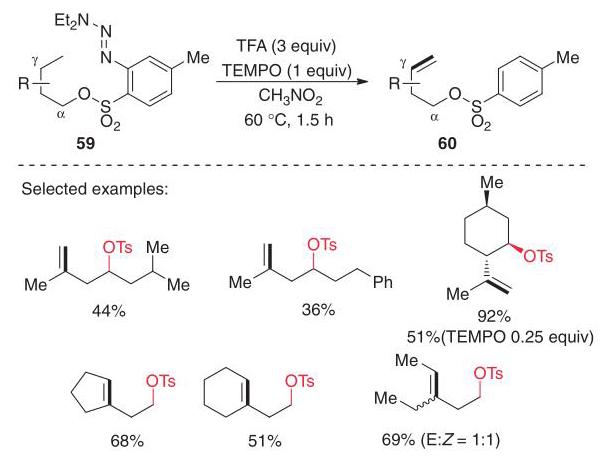
Scheme 22. Guided desaturation of unactivated aliphatic compounds.
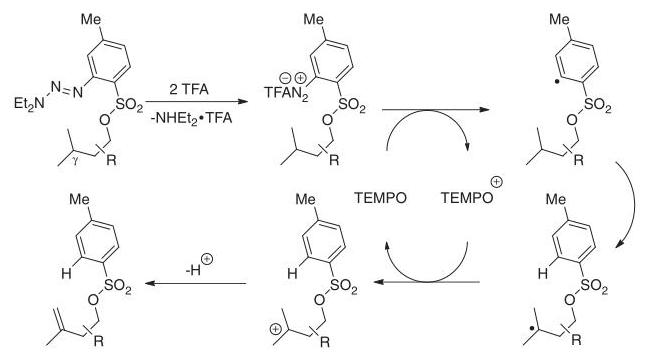
Scheme 23. Proposed mechanism.
Dioxirane-mediated C-H oxidation has found important applications in organic synthesis. ${}^{35}$ In 2009, the Inoue group reported a hydroxylation of tertiary $\mathrm{C} - \mathrm{H}$ bonds directed by a removable trifluoromethyl dioxirane moiety that was derived from a free alcohol. This method allows construction of 1,3- diaxial diols in carbocyclic matrices. ${}^{36}$ The introduction of the trifluoroketone moiety from an alcohol required three steps (Scheme 25).
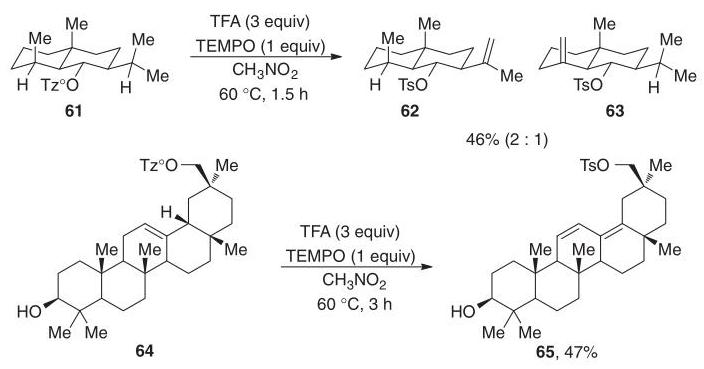
Scheme 24. Synthetic applications on complicated substrates.
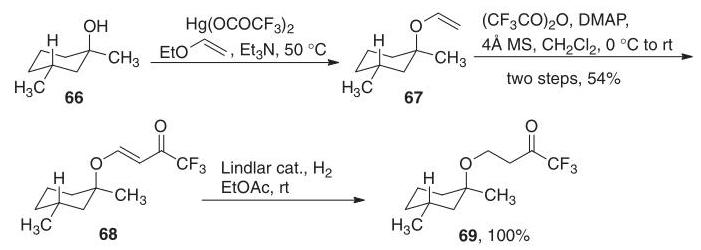
Scheme 25. Introduction of trifluoroketone moiety.
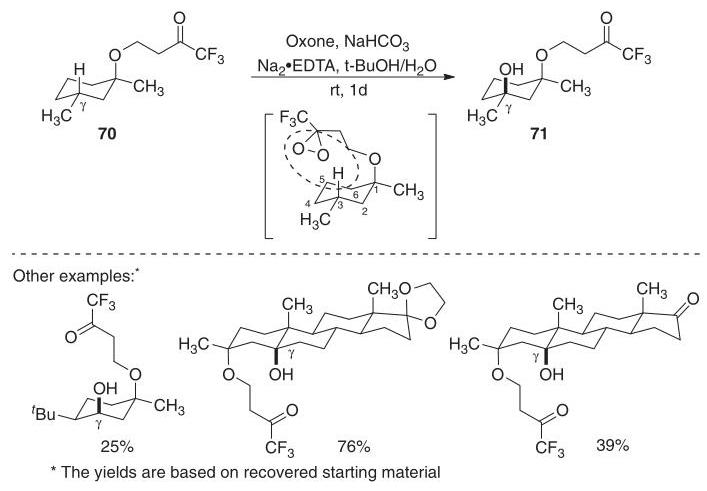
Scheme 26. Construction of 1,3-diaxial diols.
Upon exposure to oxone, the trifluoroketone moiety was transformed to a dioxirane, which is capable of oxidizing the proximate $\mathrm{C} - \mathrm{H}$ bond through an intramolecular oxygen insertion (via either a radical or converted pathway). ${}^{35}$ The tertiary $\mathrm{C} - \mathrm{H}$ bond at the $\gamma$ -position can be selectively oxidized with retention of stereochemistry (Scheme 26). The reactivity is affected by the three-dimensional orientation between the dioxirane and the $\gamma$ - C-H bond. This strategy provides another useful approach to access a 1,3-diol moiety from a monoalcohol.
Conclusion
In this mini-review we have highlighted the recent progress in the field of alcohol or masked alcohol-directed C-H functionalization. Given the ubiquity of alcohols and their central role in organic chemistry, the methods summarized here should have a significant impact on novel and efficient strategy design for complex molecule synthesis. Clearly, at this stage this field is far from being mature; additional innovative and efficient approaches are expected to be developed by more researchers in the future.
The authors would like to thank UT Austin and CPRIT for a start-up fund, and thank the Welch Foundation (F 1781) and Frasch Foundation for research grants. We also thank the ACS Petroleum Research Fund Doctoral New Investigator Grant. Mr. Thompson and Ms. Whittaker are thanked for their proofreading of this manuscript.
References and Notes
1 a) D.-G. Yu, B.-J. Li, Z.-J. Shi, Tetrahedron 2012, 68, 5130. b) P. B. Arockiam, C. Bruneau, P. H. Dixneuf, Chem. Rev. 2012, 112, 5879. c) H. Li, B.-J. Li, Z.-J. Shi, Catal. Sci. Technol. 2011, 1, 191. d) D. A. Colby, A. S. Tsai, R. G. Bergman, J. A. Ellman, Acc. Chem. Res. 2012, 45, 814. e) T. W. Lyons, M. S. Sanford, Chem. Rev. 2010, 110, 1147. f) R. Jazzar, J. Hitce, A. Renaudat, J. Sofack-Kreutzer, O. Baudoin, Chem.-Eur. J. 2010, 16, 2654. g) D. A. Colby, R. G. Bergman, J. A. Ellman, Chem. Rev. 2010, 110, 624. h) X. Chen, K. M. Engle, D.-H. Wang, J.-Q. Yu, Angew. Chem., Int. Ed. 2009, 48, 5094. i) L.-C. Campeau, D. R. Stuart, K. Fagnou, Aldrichimica Acta 2007, 40, 35. j) O. Daugulis, V. G. Zaitsev, D. Shabashov, Q.-N. Pham, A. Lazareva, Synlett 2006, 3382.
2 J. Hartwig, Organotransition Metal Chemistry: From Bonding to Catalysis, University Science Books, Mill Valley, 2009.
3 Phenol-directed C-H functionalization methodologies are not included in this mini-review.
4 J. Falbe, H. Bahrmann, W. Lipps, D. Mayer, G. D. Frey, Ullmann’s Encyclopedia of Industrial Chemistry, Wiley-VCH Verlag GmbH & Co. KGaA, 2000. doi:10.1002/ 14356007.801_279.pub2.
5 R. C. Larock, Comprehensive Organic Transformations: A Guide to Functional Group Preparation, VCH, New York, 1989.
6 Handbook of C-H Transformations: Applications in Organic Synthesis, ed. by G. Dyker, Wiley-VCH, Weinheim, 2005. doi:10.1002/9783527619450.
7 Y. Lu, D.-H. Wang, K. M. Engle, J.-Q. Yu, J. Am. Chem. Soc. 2010, 132, 5916.
8 P. L. Alsters, J. Boersma, W. J. J. Smeets, A. L. Spek, G. van Koten, Organometallics 1993, 12, 1639.
9 X. Wang, Y. Lu, H.-X. Dai, J.-Q. Yu, J. Am. Chem. Soc. 2010, 132, 12203.
10 a) K. J. Fraunhoffer, M. C. White, J. Am. Chem. Soc. 2007, 129, 7274. b) G. T. Rice, M. C. White, J. Am. Chem. Soc. 2009, 131, 11707.
11 X. Qi, G. T. Rice, M. S. Lall, M. S. Plummer, M. C. White, Tetrahedron 2010, 66, 4816.
12 P. E. Gormisky, M. C. White, J. Am. Chem. Soc. 2011, 133, 12584.
13 a) M. S. Chen, M. C. White, J. Am. Chem. Soc. 2004, 126, 1346. b) M. S. Chen, N. Prabagaran, N. A. Labenz, M. C. White, J. Am. Chem. Soc. 2005, 127, 6970. c) K. J. Fraunhoffer, N. Prabagaran, L. E. Sirois, M. C. White, J. Am. Chem. Soc. 2006, 128, 9032.
14 B.-J. Li, Z.-J. Shi, Chem. Soc. Rev. 2012, 41, 5588.
15 Z. Ren, F. Mo, G. Dong, J. Am. Chem. Soc. 2012, 134, 16991.
16 E. M. Simmons, J. F. Hartwig, J. Am. Chem. Soc. 2010, 132, 17092.
17 a) G. Bashiardes, V. Chaussebourg, G. Laverdan, J. Pornet, Chem. Commun. 2004, 122. b) G. R. Jones, Y. Landais, Tetrahedron 1996, 52, 7599. c) S. Bracegirdle, E. A. Anderson, Chem. Commun. 2010, 46, 3454. d) K. Tamao, N. Ishida, J. Organomet. Chem. 1984, 269, c37.
18 a) S. E. Denmark, C. S. Regens, Acc. Chem. Res. 2008, 41, 1486. b) E. Hagiwara, K.-i. Gouda, Y. Hatanaka, T. Hiyama, Tetrahedron Lett. 1997, 38, 439.
19 E. M. Simmons, J. F. Hartwig, Nature 2012, 483, 70.
20 R. J. P. Corriu, J. J. E. Moreau, J. Chem. Soc., Chem. Commun. 1973, 38.
21 A. García-Granados, P. E. López, E. Melguizo, A. Parra, Y. Simeó, J. Org. Chem. 2007, 72, 3500.
22 a) H. M. L. Davies, D. Morton, Chem. Soc. Rev. 2011, 40, 1857. b) F. Collet, C. Lescot, P. Dauban, Chem. Soc. Rev. 2011, 40, 1926. c) M. P. Doyle, R. Duffy, M. Ratnikov, L. Zhou, Chem. Rev. 2010, 110, 704. d) P. Müller, C. Fruit, Chem. Rev. 2003, 103, 2905. e) J. L. Roizen, M. E. Harvey, J. Du Bois, Acc. Chem. Res. 2012, 45, 911.
23 a) A. Padwa, K. E. Krumpe, Tetrahedron 1992, 48, 5385. b) A. Padwa, D. J. Austin, Angew. Chem., Int. Ed. Engl. 1994, 33, 1797. c) J. Adams, D. M. Spero, Tetrahedron 1991, 47, 1765.
24 M. P. Doyle, A. V. Kalinin, D. G. Ene, J. Am. Chem. Soc. 1996, 118, 8837.
25 M. P. Doyle, S. B. Davies, E. J. May, J. Org. Chem. 2001, 66, 8112.
26 C. G. Espino, J. Du Bois, Angew. Chem., Int. Ed. 2001, 40, 598.
27 C. G. Espino, P. M. Wehn, J. Chow, J. Du Bois, J. Am. Chem. Soc. 2001, 123, 6935.
28 S.-i. Hashimoto, N. Watanabe, S. Ikegami, Tetrahedron Lett. 1992, 33, 2709.
29 L. McMurray, F. O’Hara, M. J. Gaunt, Chem. Soc. Rev. 2011, 40, 1885.
30 R. Breslow, P. C. Scholl, J. Am. Chem. Soc. 1971, 93, 2331.
31 a) A. W. Hofmann, Ber. Dtsch. Chem. Ges. 1883, 16, 558. b) A. W. Hofmann, Ber. Dtsch. Chem. Ges. 1885, 18, 5. c) M. E. Wolff, Chem. Rev. 1963, 63, 55. d) P. Mackiewicz, R. Furstoss, Tetrahedron 1978, 34, 3241. e) E. J. Corey, W. R. Hertler, J. Am. Chem. Soc. 1960, 82, 1657.
32 K. Chen, J. M. Richter, P. S. Baran, J. Am. Chem. Soc. 2008, 130, 7247.
33 K. Chen, P. S. Baran, Nature 2009, 459, 824.
34 A.-F. Voica, A. Mendoza, W. R. Gutekunst, J. O. Fraga, P. S. Baran, Nat. Chem. 2012, 4, 629.
35 R. Curci, L. D’Accolti, C. Fusco, Acc. Chem. Res. 2006, 39, 1.
36 S. Kasuya, S. Kamijo, M. Inoue, Org. Lett. 2009, 11, 3630.